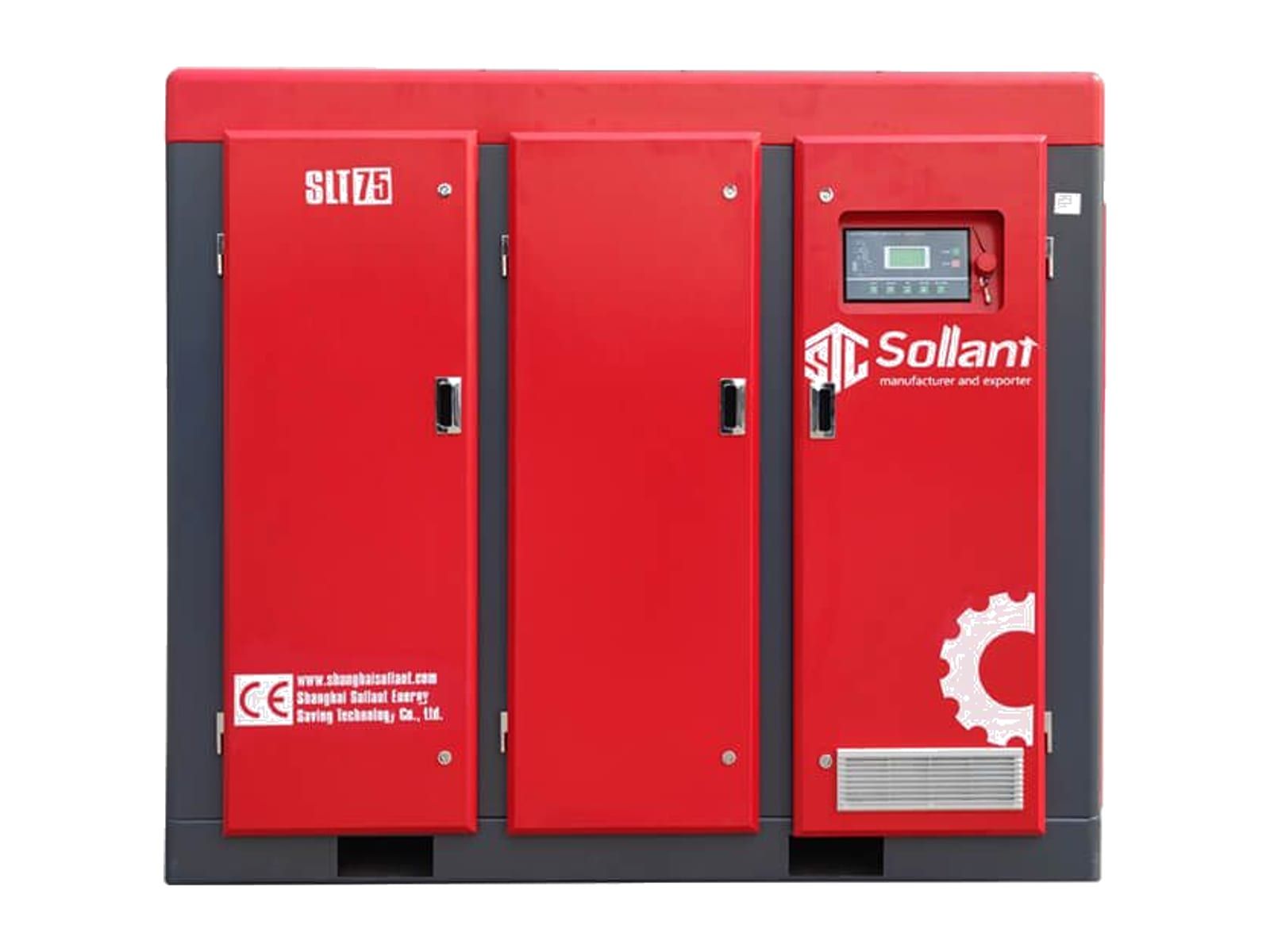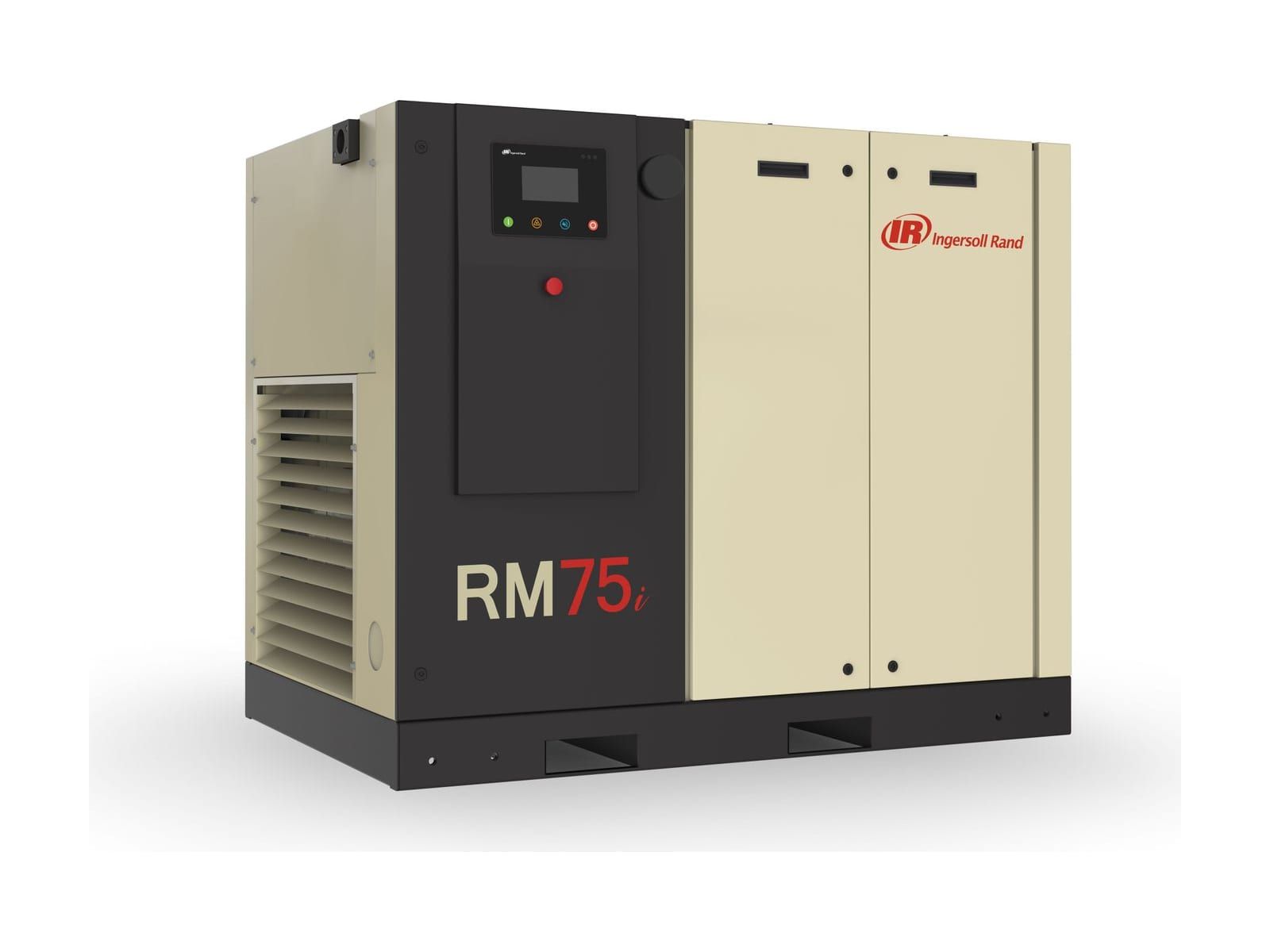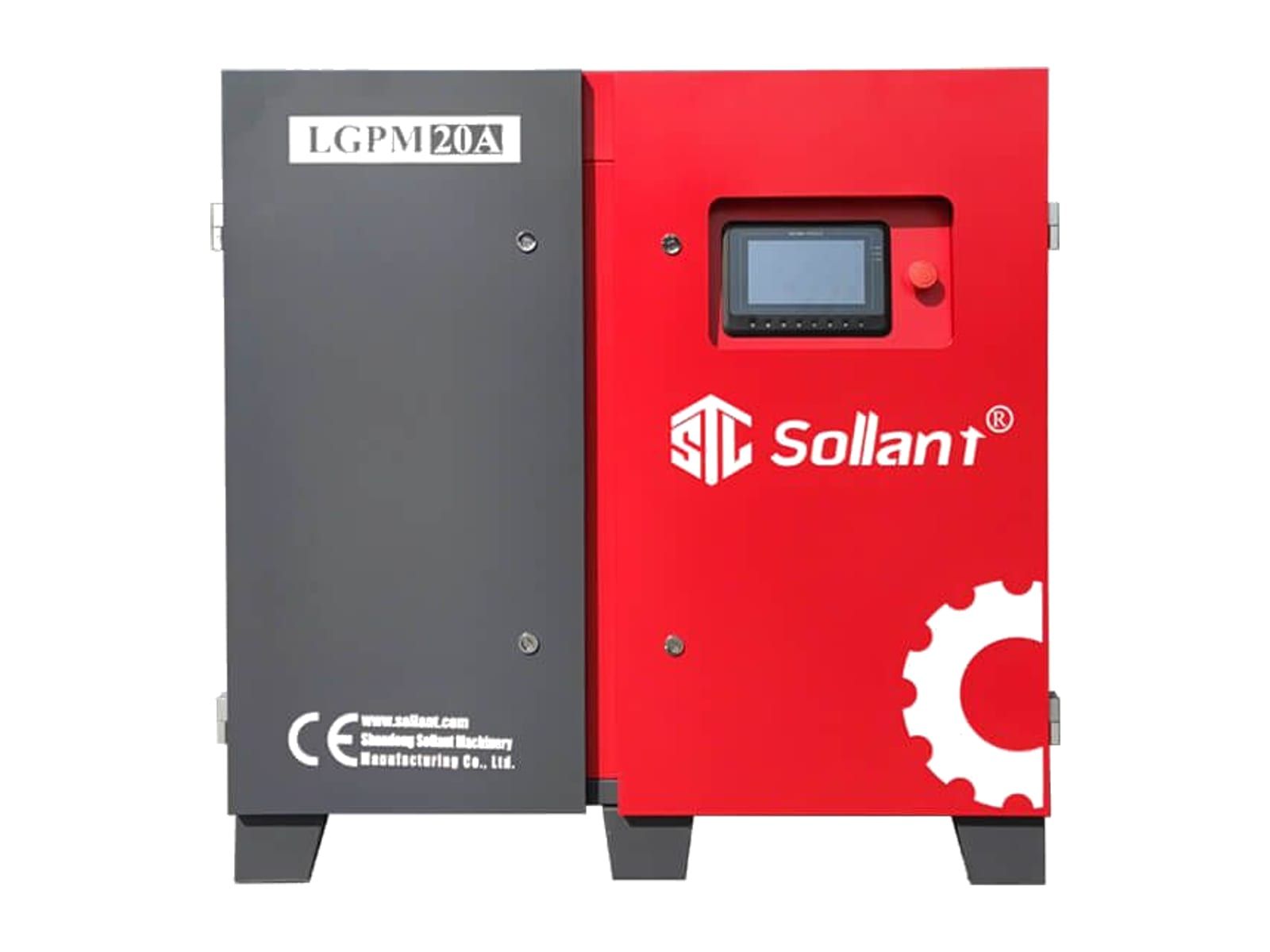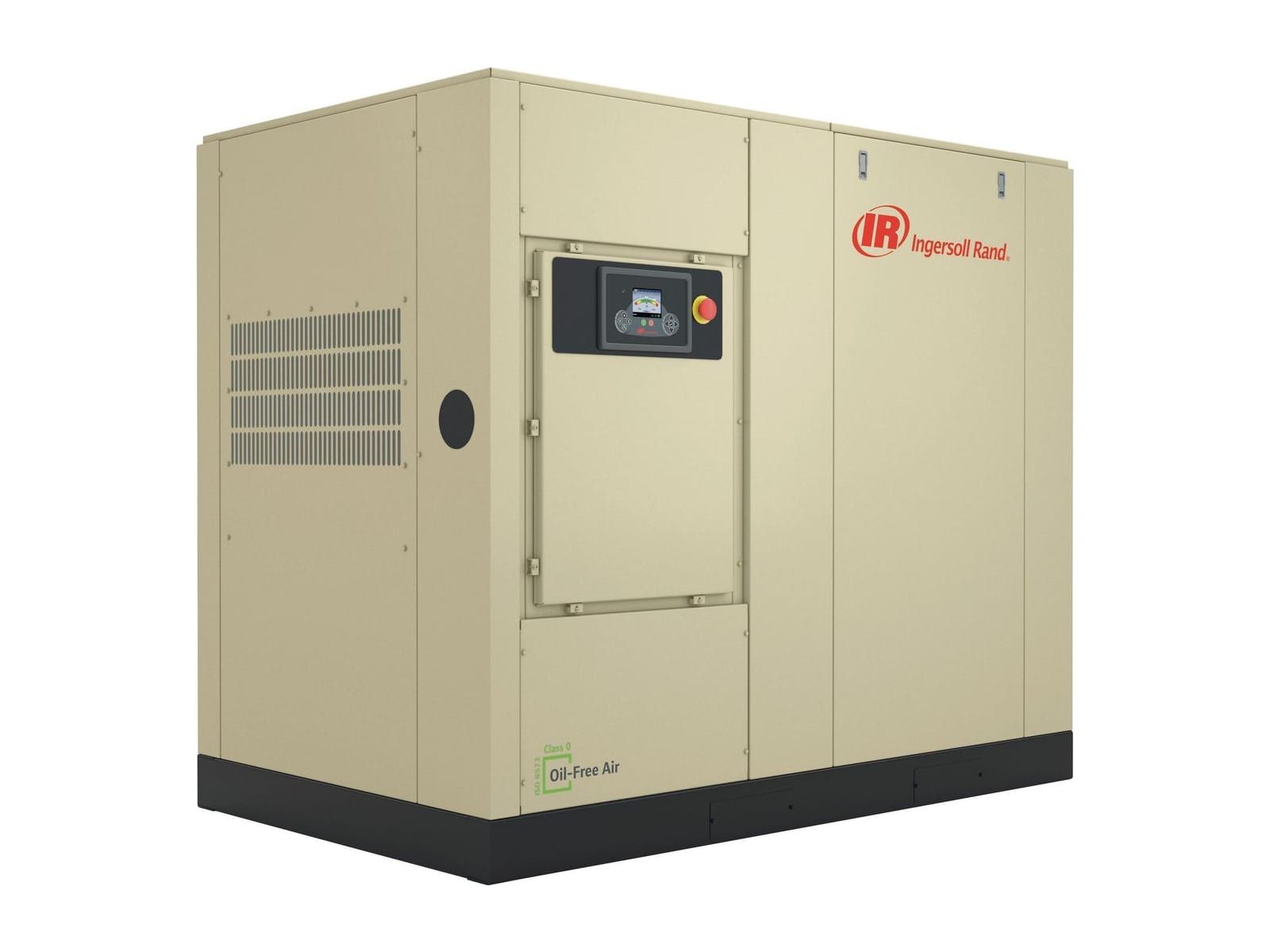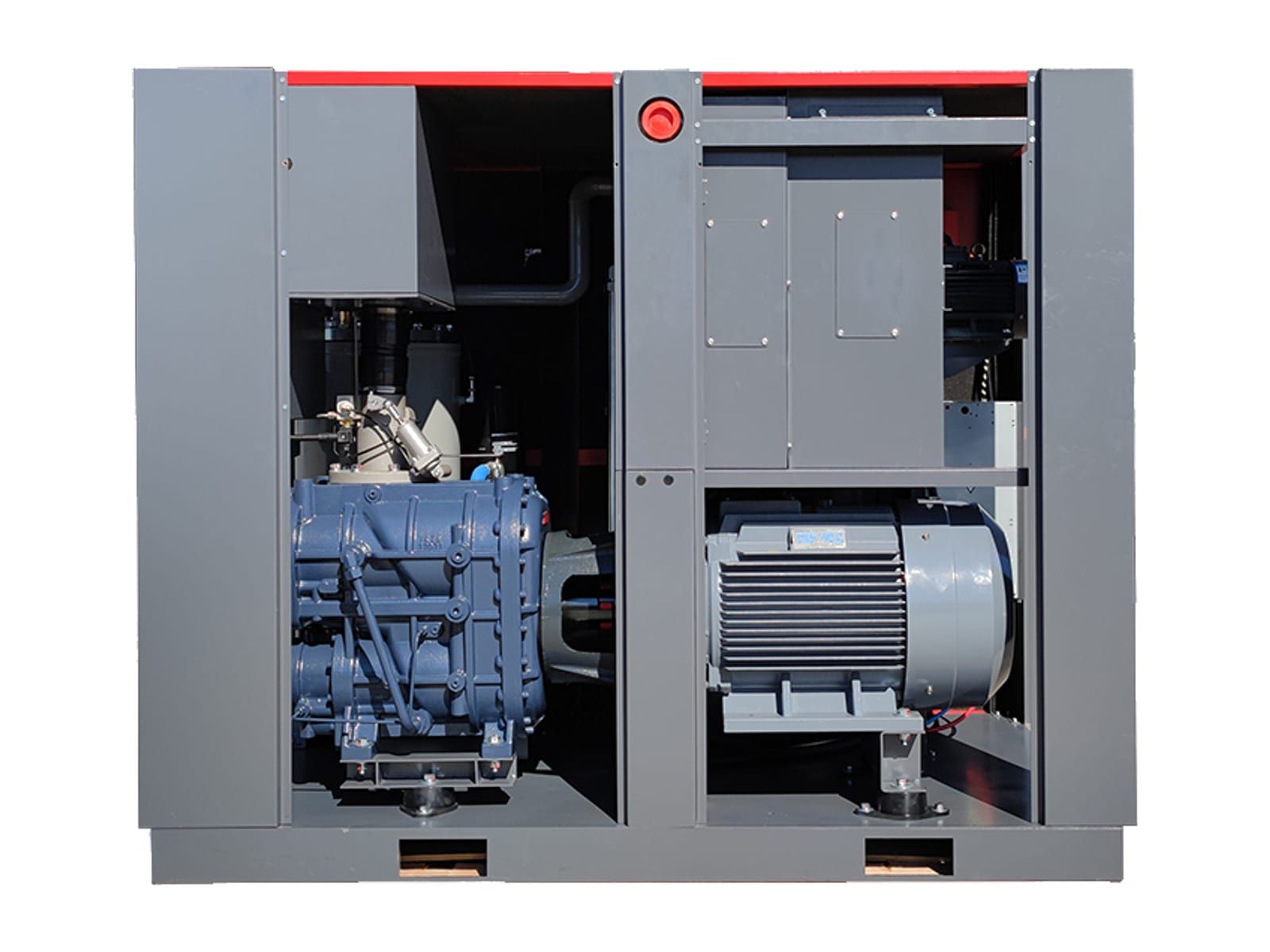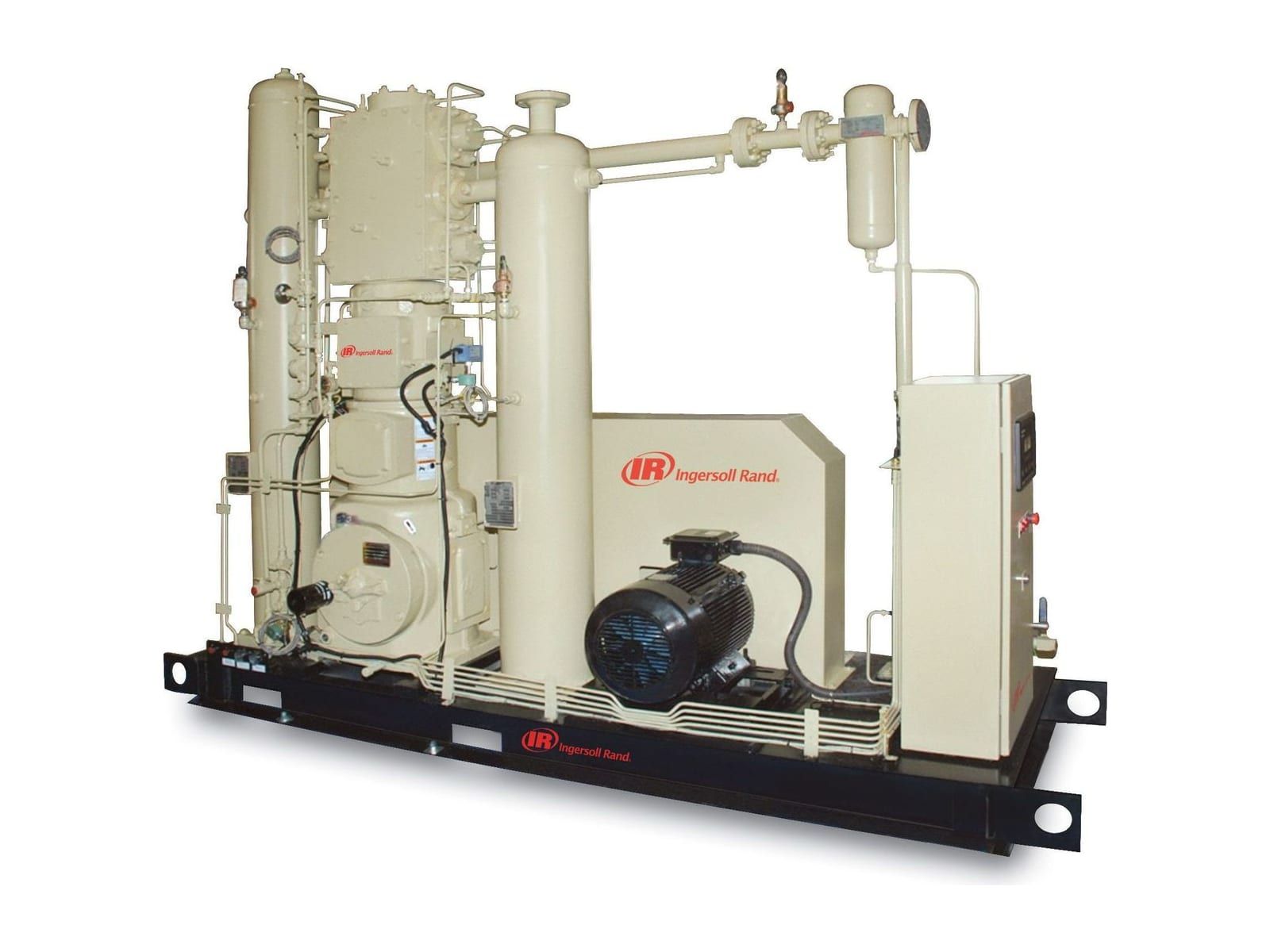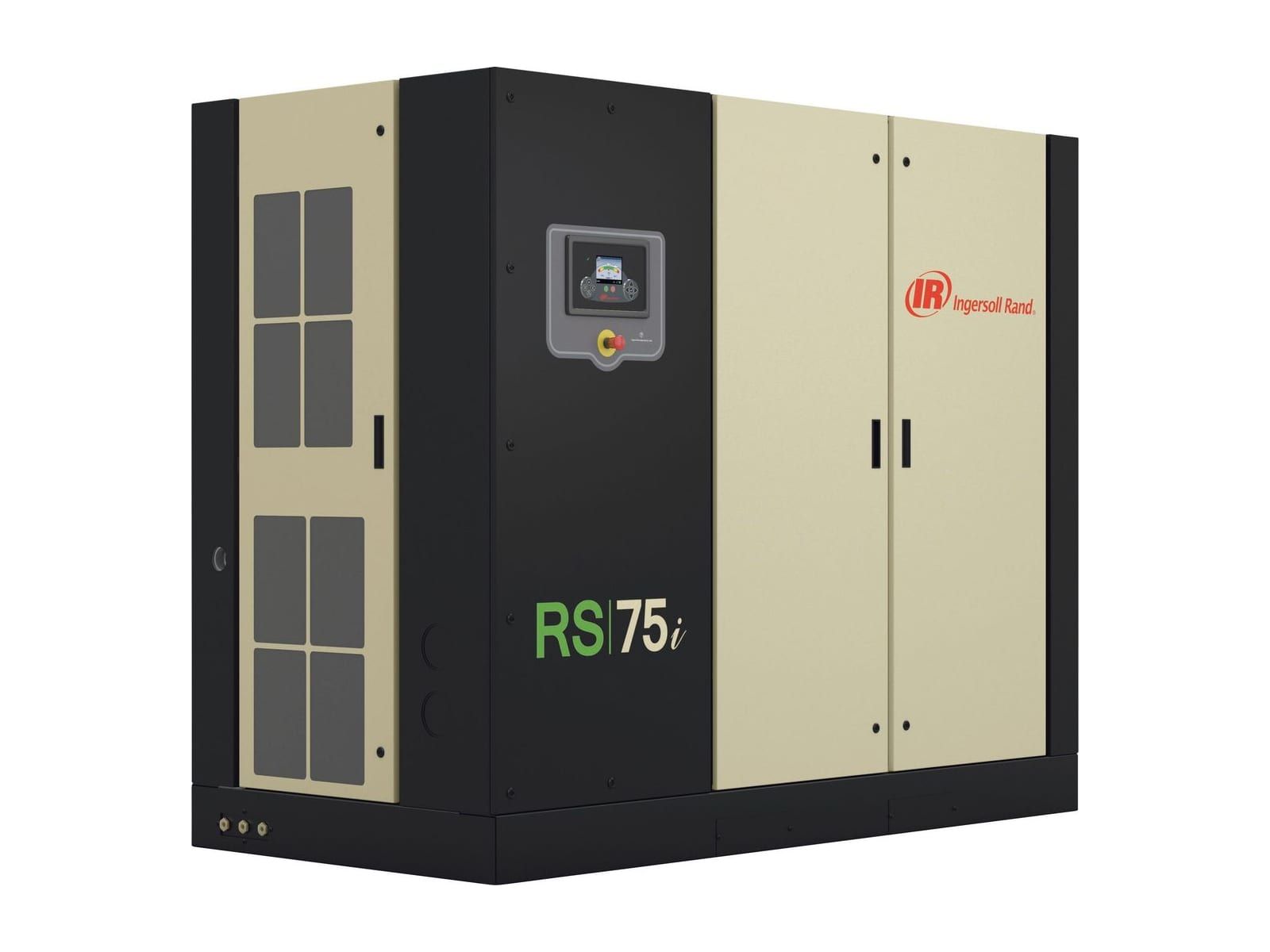
Ingersoll Rand Next Generation R-Series rotary screw compressors
Oil-flooded rotary screw compressors in fixed-speed and variable-speed versions, for general plant air from a single machine to a sequenced hall.
Products · Ingersoll Rand / Sollant
For an air compressor in Cambodia, Nexus Turnkey supplies Ingersoll Rand and Sollant rotary screw, PM-VSD and oil-free machines as an authorised distributor of both brands. We size against measured demand, not a nameplate: fixed speed for steady base load, variable speed to trim, and an N+1 standby where downtime costs more than a spare machine. Each package is checked for tropical ambient, ventilation and the ISO 8573-1 class your process needs, then installed, commissioned and supported by one team.
How to choose
| Your situation | Usual starting point | Why it fits | Watch for |
|---|---|---|---|
| Steady demand across two or three shifts | Fixed-speed oil-injected screw as base load | It runs loaded most of the time, where fixed speed is efficient | Long unloaded hours if demand later falls |
| Demand swings within the shift | VSD or PM-VSD screw as the trim machine | Motor speed follows demand instead of load/unload cycling | A VSD sized too large idles at minimum speed |
| Food, pharma or electronics air that touches product | Oil-free screw or scroll, or oil-injected with verified treatment | Meets the ISO 8573-1 oil class your risk assessment sets | Treatment pressure drop and element change discipline |
| Production cannot stop | N+1: a standby sized to the largest running unit | A trip or a service does not stop the line | A standby that is never run, so never proven |
| Hot, dusty or cramped compressor room | Any of the above, with ducted ventilation and intake filtration | Packages derate or trip when hot air recirculates | Rated maximum ambient versus real room temperature |
Families
Oil-flooded rotary screw compressors in fixed-speed and variable-speed versions, for general plant air from a single machine to a sequenced hall.
Permanent-magnet motor, variable-speed screw compressors that follow demand, for plants where air use swings through the shift.
Indicative range: ≈5.5–315 kW (indicative; to be confirmed)
An Ingersoll Rand oil-flooded rotary screw line for general industrial air, selected to the duty and supported locally.
Fixed-speed oil-injected screw compressors for steady base-load duty, where the machine runs loaded most of the time.
Oil-free compressors for air that touches food, medicine and electronics, removing the oil source at the compressor.
Two-stage screw compressors for large, continuous duties where specific power over many running hours outweighs purchase cost.
Packages that deliver air above normal plant pressure, either as a dedicated high-pressure system or by boosting plant air for one user.
Ranges are indicative. Confirm against the current manufacturer datasheet.
Over its working life, a compressor usually costs far more in electricity than it did to buy. That is why we size against measured demand and not against the nameplate of the machine being replaced. Nexus Turnkey is an authorised distributor of Ingersoll Rand and Sollant. Between them they cover oil-injected rotary screw machines in fixed and variable speed, permanent-magnet variable-speed packages, oil-free screw and scroll compressors, and high-pressure duty.
The right answer for a plant is rarely one big machine. It is usually a hall: a base-load compressor that runs fully loaded, a trim compressor that follows the swings, and a standby under an N+1 arrangement where production cannot stop. A sequencer makes them behave as one system.
The table above is the short version. The long version starts with a week of logged data. Flow and pressure, recorded alongside each machine’s load and unload state, show four things a nameplate cannot:
From there the choice between fixed speed, VSD and PM-VSD becomes a calculation, not a sales argument. We compare options on specific power at your duty points, compare the lifetime cost, and show the working. Our article on fixed-speed vs VSD vs PM-VSD compressors explains the trade-offs in more depth.
Air quality is the second question. Where compressed air touches food, medicine or electronics, the required class under ISO 8573-1 decides whether an oil-free compressor is the simpler route, or whether an oil-injected screw with verified filtration will do. Use the ISO 8573-1 class explorer to see what each class means.
Heat is the constraint we design around most often. A compressor turns most of the power it draws into heat, and a closed room in the hot season gets hotter fast. When the package breathes its own exhaust, discharge temperatures climb, the controller derates or trips, and the dryer downstream receives hotter, wetter air than it was sized for.
So every proposal includes the room: cool-air intake, ducted hot-air discharge, clearances for maintenance and lifting, and intake filtration where dust from cement, rice or feed handling is in the air. We check each package’s rated maximum ambient against the real room temperature, not the design brochure. Where power quality is a concern, we review supply, protection and starting method as part of the electrical design. Our note on compressor room design for tropical heat covers the details.
Savings are project-specific. We measure them against a baseline and verify them after implementation; we don’t promise a blanket percentage. If you want to know what your current system costs to run, start with the compressed air cost calculator or book an air audit.
FAQ
Only if your demand varies. A variable-speed machine earns its keep by following a swinging load. On a flat, fully loaded duty a fixed-speed machine can be just as efficient and costs less. The usual answer for a multi-compressor plant is fixed-speed base load plus one VSD or PM-VSD trim machine, decided from logged demand data rather than a guess.
It needs air that meets the oil class its risk assessment sets under ISO 8573-1. An oil-free compressor removes the oil source at the compressor. An oil-injected machine with correctly specified coalescing and carbon filtration can also meet a strict class, but only while the filters are maintained. We set out both routes, with their running costs, so you can decide.
We log the existing system before we size anything: flow, pressure, and how each machine loads and unloads across a normal week. That shows the real base load, the peaks and how much is lost to leaks. Sizing from nameplates alone usually produces an oversized machine that runs unloaded.
Hot inlet air and a hot room reduce cooling margin, so packages run close to their temperature limits and can derate or trip. We check the rated maximum ambient on the datasheet against the room in the hot season, then design ventilation and hot-air ducting so the machine breathes outside air, not its own exhaust.
We supply the families listed on this page. Model availability changes by market, so ask us which series are currently supplied in Cambodia and we will send current datasheets.
Yes. We commission what we supply, then offer parts, planned servicing and annual maintenance contracts, so one team is answerable for the machine through its life.
Next step
Send nameplates, running hours and a pressure reading at the furthest machine. We will reply with what we would measure first and a base/trim direction.